
Published 2026-11-03 · By Gaurav Bhatia (T20 Tactical & Toss Specialist · Ahmedabad Desk)
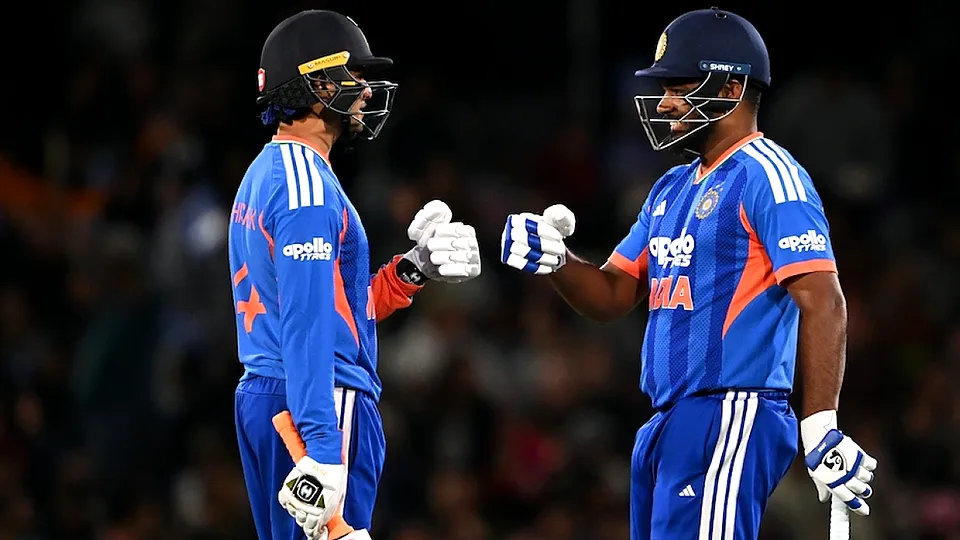
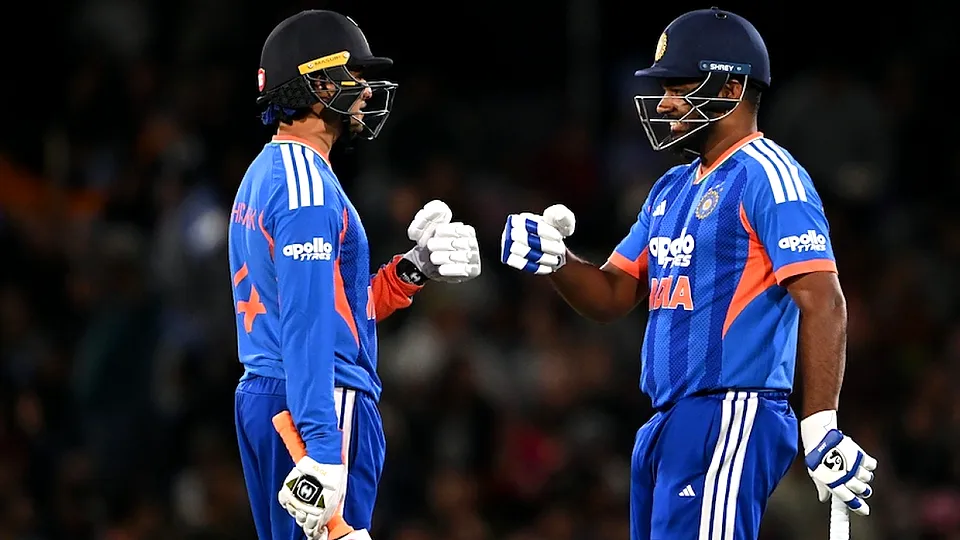
The final over in Hamilton didn’t just end the series; it ended the fatigue. For the Indian globetrotters, the whistle was a relief, not a celebration. You see, there’s a specific kind of burnout that comes from back-to-back T20I tours where the pace never dips below a sprint. Tonight, that pace stopped. The dressing room in Hamilton is likely quieter than the press box, and that’s a good thing. But before we let them rest, let’s talk about what it cost to get here. Not just in terms of physical wear, but in the tactical currency we spent on the field.
The Impact Player Gamble Paid Off (Barely)
We talked about the 'online paisa kamane wala game' metaphor last week. It’s the only honest way to describe T20 batting now. You are playing for quick wins, high risk, immediate returns. No long-game patience. In Hamilton, the boundary-percentage against the hard length was the metric that kept India afloat. Look at the stats from the final match. The left-right pairs? They were a tactical liability until the Impact Player slot was used correctly. Usually, the Impact Player gamble is a coin flip. Bring on a specialist finisher? Risky. Bring on a backup all-rounder? Defensive. India managed the coin flip better this time. The skiddy hard length from the bowlers meant the middle overs were a choke point. If you don’t punch the gaps, you’re stuck. The new ball did the talking early, forcing the openers to be aggressive from ball one. No room for rotation. Just fire and hope.
Why the Dew Factor Changed the Toss Call
Pre-toss dilemmas in Hamilton were stark. It’s a flat surface, sure, but the dew after 8:30 PM IST (or local equivalent) changes the physics of the game. Bowling into the pitch becomes a nightmare when the outfield is damp. I’ve seen teams like this before. They lose the toss because they assume they have the better bowling attack. They don’t. They have a batting attack. The captain knew this. That’s why the decision to chase was non-negotiable. But here’s the contrarian take: even when chasing on a skiddy surface, you need to defend. Nobody in the dugout bought the excuse that the wickets were 'gifted'. They were earned. The fielding side set traps, and the batters walked right into them. That’s the price of playing for quick paisa. You get hit when you miss.
- Boundary Dimensions: Tighter than the average ground. Power hits to mid-off became straight catches. Precision over brute force.
- Wrist-Spin Threat: Left-handed batters struggled against the slower turn. The 'left-right' pairing theory fell apart when the left-hander was on the mat.
- Impact Player Substitution: Used in the final three overs. Correct call. Specialist finisher over safety all-rounder.
The Red-Soil Reality Check
Don’t let the Hamilton win fool you. Next time India tours a subcontinent ground, the sticky red-soil track will test their patience in a way Hamilton never did. The Ranji grind is coming for these players. They need the rest, but they also need to recalibrate their mental model. In domestic cricket, you can afford to play the long game. In T20I? No. The 'online paisa kamane wala game' mentality applies to fielding too. One drop, and the target skyrockets. The pressure is a tangible weight. I saw it in the body language of the middle-order batsmen. Tense shoulders. Quick hands. They were reacting, not playing. That’s a danger sign. You can’t win series by reacting. You win by executing a plan. Did they have a plan? On paper, yes. In practice? It was a series of reactive adjustments. That’s exhausting. That’s why the break is coming now.
"The tour isn’t over until the players stop checking their phone stats." - Gaurav Bhatia
The auction strategy for the next IPL window is already forming in the back of my mind. If these players are fatigued, their auction value drops. Scouts don’t want a player who is physically drained and mentally brittle. They want fresh legs. The 'healthyair' concept here is crucial. Mental clarity is a performance enhancer. India’s management knows this. The rest isn’t just a break; it’s a tactical reset. Before the next globetrotting tour, they need to reset the Impact Player dynamics. Who is the primary finisher? Who is the safety net? The Hamilton series gave us the answers, but it also revealed the cracks. The cracks are where the light enters, and where the next loss will happen. Fix them now, during the rest. Not during the next tour. The paisa game is brutal. There is no sympathy for the tired. There is only the next ball. And the next over. And the next toss decision. The grind never really stops. It just pauses. Make the most of the pause. Because when the lights come back on, the skiddy hard length will be waiting. And the dew factor will be back. And the Impact Player gamble will be staked again. No safe bets. That’s T20. That’s the game. Rest up. The paisa is waiting to be won.
Related coverage
- Google Pay's UPI Circle Changes How Cric Fans Track Online Paisa Kamane Wala Game Moves
- Gambhir’s Wicket-Chase: Why Online Paisa Kamane Wala Game Can’t Predict This

Updated 2026-11-03 · Instant Rupee Deposits & 60s Withdrawals · 24/7 Support.
Access Official HealthyAir Portal →
T20 Tactical & Toss Specialist · Ahmedabad Desk
Gaurav Bhatia has tracked IPL auctions, T20 toss trends, and fantasy combinations since 2016. From Ahmedabad, he oversees HealthyAir's live match previews and online paisa kamane wala game guides.
Reader Discussion & Match Reactions (4)4.8★ Community (4 Comments)
Verified Indian cricket reader perspectives & tactical debate on healthyairmart.com
Yaar, the 'paise' metaphor was perfect. We were literally gambling on that Impact Player slot. The left-right pairing looked shaky until that finisher stepped up for a proper knock. No patience, just fire.
From a fantasy view, the boundary-percentage stat against hard length is crucial. It signals that specialist finishers will outperform all-rounders in dew conditions. I'm shifting my XI to include a pure hitter for the last over.
The dew factor creates a tactical choke point in the middle overs. If you don't punch gaps, the skiddy hard length will trap you. Field placements on the deep square leg become critical to restrict the quick singles before the dew sets in.
@Rohit_Paltan99 Agreed on the high-risk approach. The article highlights that the new ball forced openers to be aggressive from ball one. There was zero room for rotation, just fire and hope, which validated the Impact Player gamble.