
Wellington’s Grey Skies and the Great Indian Rain Gamble

Published 2026-11-10 · By Rajat Desai (Executive Sports Editor · Jaipur Desk)
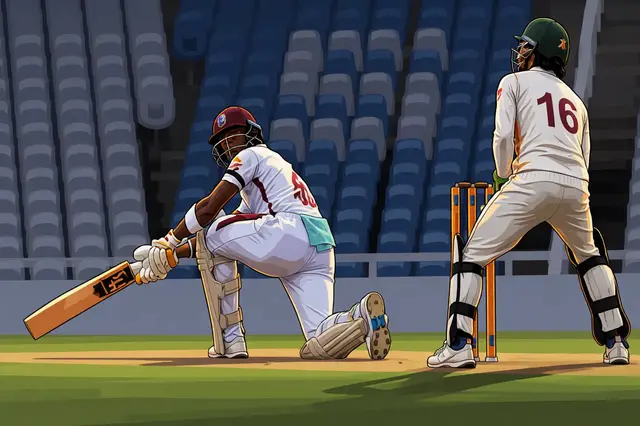
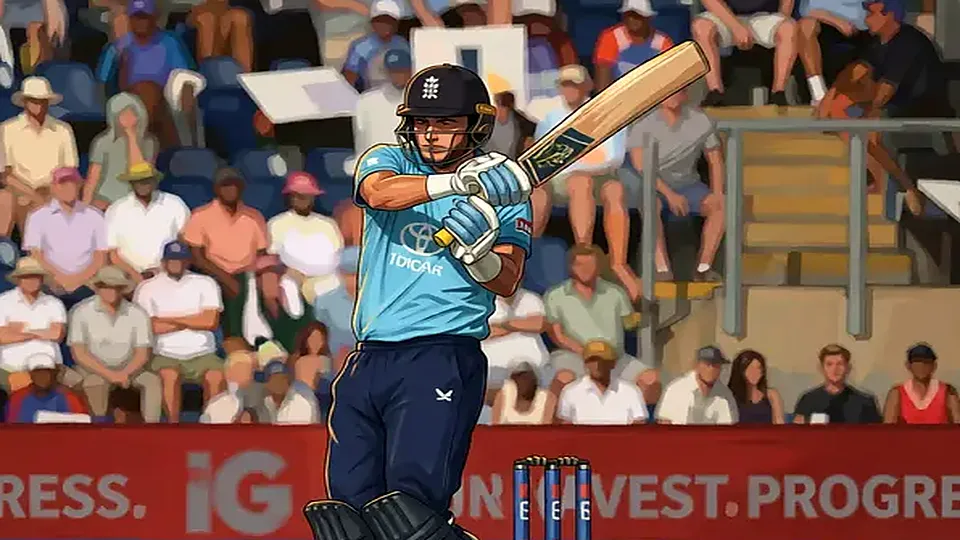
The clouds over the Basin Reserve aren't just grey; they are menacing. Looking at the horizon, you can practically smell the dampness that ruins a perfectly good new-ball burst. It is a typical Wellington afternoon—unpredictable, moody, and currently threatening to turn the second ODI into a glorified practice session.
The toss will be a nightmare. If India bats first, they risk a collapse on a skiddy hard length. If they bowl, they might find themselves staring at a DLS calculation before the first drink break. It is the kind of weather that makes seasoned pros sweat and makes the casual fans search for an online paisa kamane wala game to pass the time while the covers stay on.
The Basin Reserve Trap
Wellington is not for the faint-hearted. The breeze here doesn't just blow; it pushes the ball. For a batting lineup that has struggled with lateral movement in the powerplay, this is a horror show. We have seen this movie before. The ball nips back, the edge flies to second slip, and suddenly the scoreboard looks like a Ranji grind from the 1980s.
The pitch looks tacky. It is not a sticky red-soil track, but the moisture content is high enough to give the Kiwi seamers a lethal edge. One bad session and the match is gone. Who takes the risk? The captain's call here will define the series.
Bowling at the Death in a Downpour
If the rain holds off just enough for a full quota of overs, the real test arrives at the death. Bowling into the pitch when the ball is damp is a nightmare. The grip vanishes. The yorkers become full tosses. The boundary-percentage spikes because the ball simply doesn't hold in the hand.
- The Swing Factor: Expected to be high in the first 10 overs.
- The Dew Factor: Minimal, but the humidity will make the ball slide onto the bat.
- The DLS Headache: High probability of a shortened game.
"The weather in Wellington doesn't care about your rankings or your form. It just happens."
The Dressing-Room Chatter
The talk in the Indian camp is reportedly about flexibility. There is a sense that the Impact Player gamble—or the ODI equivalent of tactical shuffling—is necessary. You cannot play a static game in these conditions. You need a pinch-hitter who can clear the ropes before the rain arrives, or a specialist seamer who can thrive in the overcast gloom.
Let's be blunt. India's middle-order has been too cautious. They play the percentages while the game drifts away. In a rain-affected match, caution is a slow death. You need aggression. You need a few players who treat the crease like a street fight rather than a boardroom meeting.
The Verdict on the Forecast
The wire services are calling it a 'possibility' of rain. In Wellington, a possibility is a probability. The covers are already standing by. If the clouds burst, we are looking at a washout or a truncated disaster. For the fans watching from home, the tension is high. For the players, it is a waiting game.
| Scenario | Impact on India | Likelihood |
|---|---|---|
| Clean Game | Tactical battle of attrition | Low |
| Intermittent Rain | DLS chaos and panicked hitting | High |
| Complete Washout | Pure frustration | Moderate |
The forecast is bleak. The pitch is treacherous. The stakes are high. Whether India finds a way to navigate the dampness or falls prey to the Kiwi swing remains to be seen. One thing is certain: the weather is the only captain that matters today.
Related coverage
- How Dew Turned NZ‑India ODI Into An Online Paisa Kamane Wala Game
- Rain, 47 Overs, and the Online Paisa Kamane Wala Game Myth

Updated 2026-11-10 · Instant Rupee Deposits & 60s Withdrawals · 24/7 Support.
Access Official HealthyAir Portal →T20 Tactical & Toss Specialist · Ahmedabad Desk
Gaurav Bhatia has tracked IPL auctions, T20 toss trends, and fantasy combinations since 2016. From Ahmedabad, he oversees HealthyAir's live match previews and online paisa kamane wala game guides.
Reader Discussion & Match Reactions (5)4.8★ Community (5 Comments)
Verified Indian cricket reader perspectives & tactical debate on healthyairmart.com
DLS before the first drink break is the real kicker here. If India bowls first and rain arrives inside 10 overs, we won't even have a proper contest to update the series NRR on. The toss genuinely is a spreadsheet nightmare at Basin Reserve.
Blaming the Basin breeze is convenient, no? If this lineup keeps nicking to second slip inside the powerplay against lateral movement, that's a selection problem, not a weather problem. One skiddy session and the selectors will still stay silent about red-ball proven openers.
That 'Ranji grind from the 1980s' line hit me hard—anyone who's watched a foggy December morning in Guwahati knows exactly what damp, seam-friendy mornings do to batters. And the sticky red-soil reference is basically Chepauk; our domestic boys raised on such tracks read that Basin Reserve breeze far better than the stat-gurus admit.
Telemetry angle nobody's flagging: that Basin cross-breeze can hand the Kiwi seamers an extra 8-10 kmph on an already skiddy hard length. Then overs 41-50 with a damp ball means zero grip—yorkers morph into full tosses. Bowling first wins the toss calculus for me, rain be damned.
@Saurabh_NRR Exactly, and it's worse than just the DLS math. That tacky pitch plus covers going on and off all afternoon means the ball skids through at ankle height one over and stops dead the next. India bats first, loses four wickets cheap, and second slip becomes the busiest man in Wellington.