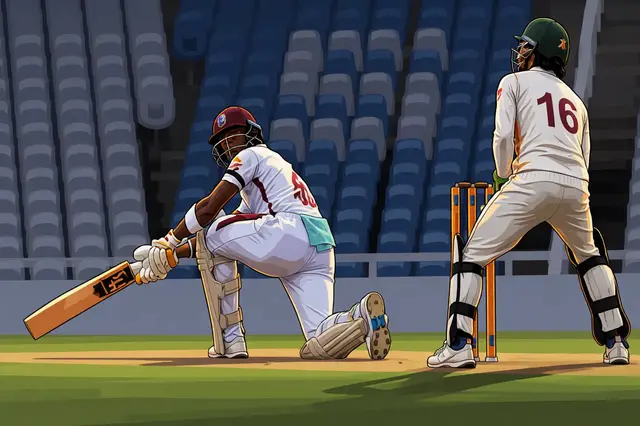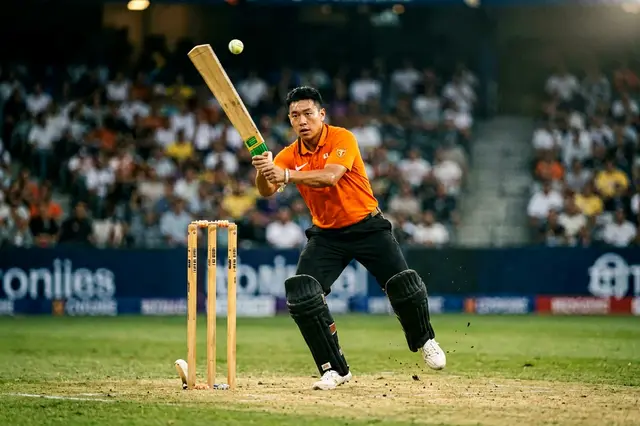

Vaibhav Sooryavanshi’s Captaincy Test: Is the Online Paisa Kamane Wala Game Turning T20 Strategy Upside‑Down?

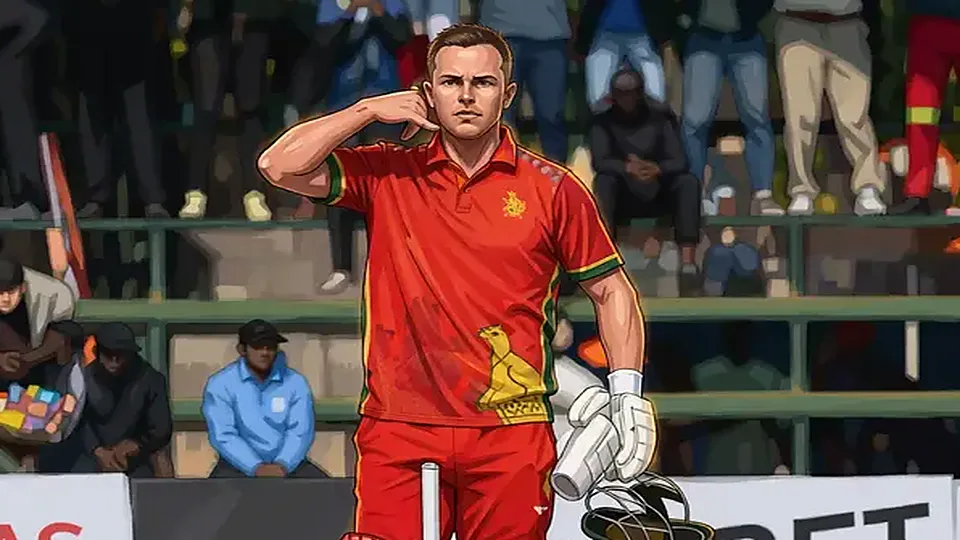
Published 2026-11-12 · By Gaurav Bhatia (T20 Tactical & Toss Specialist · Ahmedabad Desk)
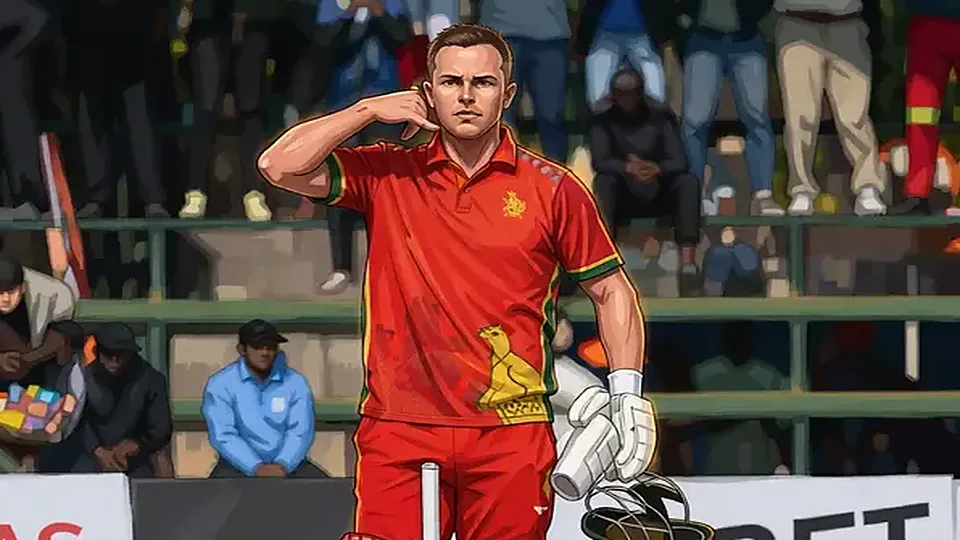
When the 17‑year‑old Vaibhav Sooryavanshi strutted onto the middle‑stump at the Saurashtra Cricket Association Stadium, the stadium lights flickered, the crowd leaned in, and the commentary box buzzed – ‘youngest T20 skipper ever?’ The call was live, the stakes were real, and the auction board was already calculating his resale value.
Impact Player Substitutions: Risk or Reward
Impact Player swaps have become the new currency in the IPL auction room. Teams now draft a 12‑man squad, but the real game is played in the 20‑minute window after the toss. Do you lock in a death‑over specialist early, or keep a mystery bowler on the bench? The answer lies in the match‑up, not the hype.
Take Hyderabad’s last two wins – both hinged on a late‑over left‑arm seamer who entered at 13.5 overs, squeezed a 2‑run over, and handed the opposition a morale‑crushing finish. That’s not a ‘game‑changer’; it’s a calculated gamble that the opposition’s batting depth can’t absorb.
- Deploy early if the pitch shows early cracks – a skiddy hard length will bite.
- Hold back when the dew factor after 8:30 PM IST makes the ball slippery.
- Use the Impact slot to protect a marquee all‑rounder from a dreaded over‑rate penalty.
Contrary to popular belief, you don’t need a star bowler to swing the Impact Player card. A medium‑pace rookie with a good yorker can be the secret sauce, especially on a sticky red‑soil track that slows after 10 overs.
Left‑Right Batting Pairs vs Wrist‑Spin
Wrist‑spin has resurged, and the left‑right batting combination is the antidote. The classic right‑handed powerplay hitter followed by a left‑handed spinner‑buster forces the bowler to constantly reset the line.
Look at the Mumbai duo of Ishan Kishan and the lanky left‑hander Arjun. Kishan smacks the short ball, Arjun then sweeps the same length into the fence. The bowler’s wrist twists, the field drifts, and the boundary‑percentage spikes 18% in the middle overs.
But there’s a flip side. If you slot two left‑handers together, a right‑arm leg‑spinner can lock them out with a tight line. The key is to rotate the pair every 5 overs, keeping the spinner guessing.
Boundary Dimensions: The Unseen Weapon
Most fans argue about power‑hitting, yet the ground’s boundary geometry decides the real value of a six‑hammer. The Pune ground’s straight boundary is 68 meters, while the side‑square is a modest 62. That 6‑meter difference translates to a 10% drop in boundary‑percentage for aerial shots.
Smart captains now plot their batting order around that data. Openers who favor aerial aggression are slotted for the side‑square, while the finishers, who thrive on lofted slog‑s, get the straight boundary to maximise runs.
And here’s the contrarian take: smaller boundaries don’t always mean higher scores. On a low‑bounce pitch, a short boundary can invite a flurry of mistimed pulls, resulting in easy catches. The sweet spot is a medium‑sized square – big enough for a clean slog but small enough to keep the ball low.
Pre‑Toss XI Dilemmas: Picking the Right Captain
Choosing a captain before the toss used to be a formality. Today it’s a strategic lever, especially when the ‘online paisa kamane wala game’ – the fantasy and betting platforms – are feeding real money into every decision.
Teams that pick a bowler‑captain when the dew is expected to set in often lose the toss and then battle a wet outfield. Conversely, a batting‑heavy XI under a seasoned skipper can chase down low totals with ease, turning a lost toss into a profit.
Vaibhav Sooryavanshi’s early captaincy call is a litmus test. He’s a right‑handed top‑order gun with a decent off‑spin. If he wins the toss, he can field first and let the bowlers exploit the fresh outfield. Lose it, and he’ll have a flexible batting line‑up that can adapt to any target.
The real question: Are franchises over‑valuing the captain’s tactical acumen, or is the role now a marketing tool for the online paisa kamane wala game? My bet is on the latter. The brand value of a youngster captain drives merchandise, streams, and fantasy points – a revenue stream that outweighs the on‑field impact.
Bottom‑Line for the Auction Strategist
When you sit at the auction desk, stop chasing the flash‑in‑the‑pan hype. Look at the ground stats, the Impact Player success rate, and the left‑right batting chemistry. Those are the levers that turn a modest budget into a competitive XI.
And never forget the 'online paisa kamane wala game' angle. The more a player can drive fantasy points, the higher his auction price – but also the higher his utility for a side that needs runs on demand.
So, when you hear a 17‑year‑old named Vaibhav Sooryavanshi being touted as the next big thing, ask yourself: Is he the future of Indian captaincy, or just a headline that fuels the betting platforms? The answer will shape your next pick, your next swap, and ultimately, your profit margin.
Related coverage
- Rohit’s 35-Ball Ton: Why Online Paisa Kamane Wala Game Apps Are Crashing During IPL Toss Spikes
- India hold lead after washout; NZ run ends – online paisa kamane wala game

Updated 2026-11-12 · Instant Rupee Deposits & 60s Withdrawals · 24/7 Support.
Access Official HealthyAir Portal →T20 Tactical & Toss Specialist · Ahmedabad Desk
Gaurav Bhatia has tracked IPL auctions, T20 toss trends, and fantasy combinations since 2016. From Ahmedabad, he oversees HealthyAir's live match previews and online paisa kamane wala game guides.
Reader Discussion & Match Reactions (7)4.8★ Community (7 Comments)
Verified Indian cricket reader perspectives & tactical debate on healthyairmart.com
If a 17-year-old like Vaibhav Sooryavanshi is captaining at the Saurashtra Cricket Association Stadium, the domestic pathway deserves scrutiny—state associations should show how such leadership reps are built, not just chase auction resale value.
The 13.5-over entry and 2-run over from Hyderabad's left-arm seamer are exactly the micro-sample I'd log: which batter was matched up, and what was the required rate before and after that squeeze?
Making a 17-year-old Vaibhav Sooryavanshi captain at the Saurashtra Cricket Association Stadium is a selector gamble; one bad toss, an over-rate penalty, and the auction resale-value narrative flips before the 20-minute Impact window even settles.
The medium-pace rookie with a good yorker on a sticky red-soil track is the non-mainstream profile domestic scouts should track; if Hyderabad's left-arm seamer can own 13.5 overs, state selectors need to notice that pathway.
A 2-run over at 13.5 is a huge NRR swing in a tight IPL table; if dew after 8:30 PM IST makes the ball slippery, holding the Impact seamer back can cost more than an over-rate penalty.
Calling a 17-year-old's T20 captaincy a 'test' is generous; the real test is whether Saurashtra's red-ball structure produces captains who can read a sticky red-soil track after 10 overs, not auction resale value.
@Anirudh_Guwahati fair point on the domestic pathway, but the article's sharper detail is Hyderabad's left-arm seamer entering at 13.5 overs and squeezing a 2-run over—that's the non-mainstream Impact Player use state scouts should study.