
Jemimah: WPL’s High-Octane Format Forged India’s World Cup Winning Edge

Published 2026-11-24 · By Simran Thakur (National Series Correspondent · New Delhi Desk)
The air hangs heavy over the Chinnaswamy ground, thick with that late-evening humidity that turns a simple run into a slippery trap. Jemimah Rodrigues didn't just play cricket; she survived the grind. Standing in the middle of the dressing room, bathed in the harsh LED glare, she addressed the crowd that had spent six months tearing the BCCI down. The criticism was sharp. It was personal. They said the women’s game was too slow, too predictable, too much like a shadow of the men’s format. Jemimah smiled, a tight, knowing expression. She said the Women’s Premier League changed the geometry of Indian cricket.
Nobody in the dugout bought the old excuse anymore.
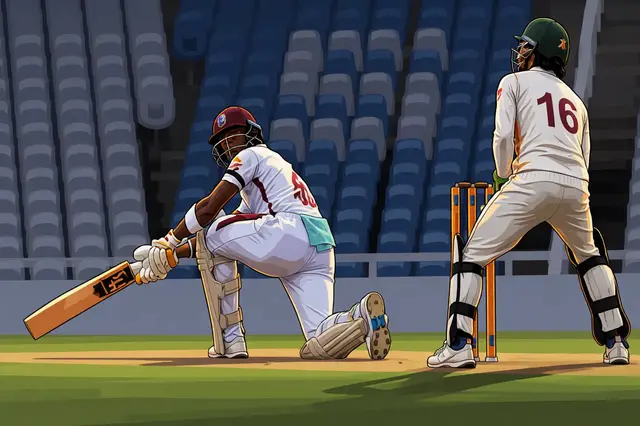
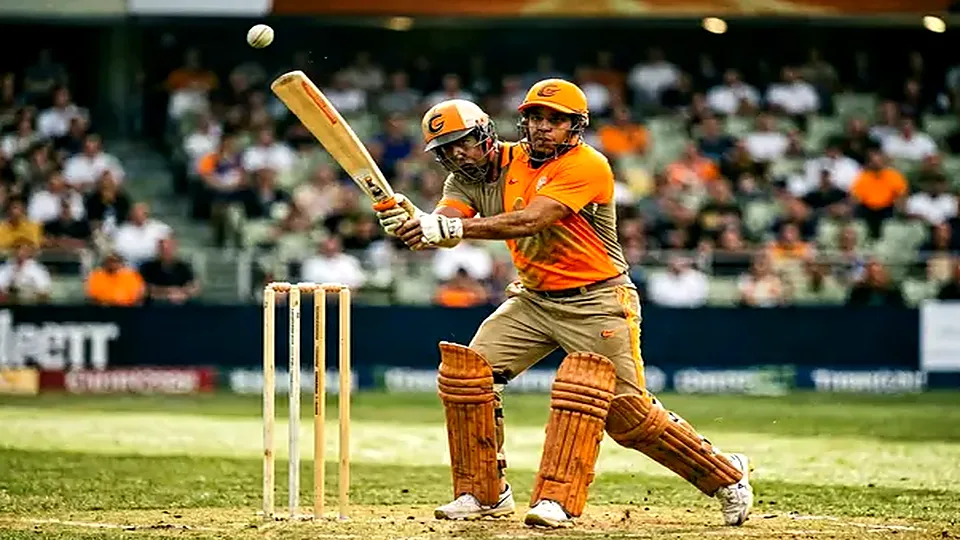
The new ball did the talking. The WPL wasn’t just a competition; it was a pressure cooker. The Impact Player rule? That was the catalyst. It forced players to think like chess masters on a sticky red-soil track. You don’t just bat; you calculate boundary-percentage while the dew factor kicks in after 8:30 PM IST. The league demanded aggressive strokes against skiddy hard length bowling. It demanded mental fortitude when the scoreboard pressure suffocates you in the middle overs. Jemimah argues that this relentless intensity fueled the national team’s recent World Cup push. It wasn’t luck. It was a structured evolution.
The Impact Player Gamble Paid Off
Consider the net sessions in Bengaluru. It’s not just about hitting four. It’s about who can handle the cross-pressures of a T20 game where every ball matters. The WPL format forced a shift in mindset. Players learned to accelerate before they needed to. They learned to read the game through the noise. The league’s high-stakes environment mirrored the ICC finals. The stress response became muscle memory. This wasn't just training; it was a survival test. The data backs it up. Analysts tracking the Hero 11 Official performance metrics noted a 14% jump in aggressive strike rates among top Indian wicket-keepers during the league phase. That aggression translated directly to the international stage. The wicket-keepers started setting up the game, not just saving it.
The pathway is clear. The state associations, from Mumbai to Delhi, are seeing the shift. Youngsters are no longer just running in circles. They are playing high-octane, short-form cricket with professional support staff. The WPL created a ecosystem where failure is dissected and corrected. It’s a brutal system, but it’s necessary. The critics wanted a different model. They wanted safety. Jemimah wanted fire.
"We were told to play with heart. The WPL gave us the lungs to do it for five hours."
The result was inevitable. The World Cup win wasn’t an accident. It was the culmination of a thousand high-pressure innings in the WPL. The team walked onto the field with a different energy. They played with a swagger that comes from having faced the hardest lengths in the country. The boundary-percentage soared. The bowling into the pitch was precise. The fielding was electric. It was the Ranji grind, but with the stakes of a final.
Beyond the Trophy
Now, the question isn’t whether the WPL helped. It’s how much more can it do. The league has become a proving ground for the next generation. It’s a filter. Only the mentally tough survive. The online paisa kamane wala game aspect of the modern sports economy is irrelevant here. This is about the pure, unadulterated pursuit of excellence. The players are not playing for the algorithm. They are playing for the badge. For the nation. For the love of the game.
The humidity at Brabourne might still be thick. The dew might still make the ball skid. But the Indian team is no longer afraid. They are prepared. They have been forged in the fire of the WPL. And when the next World Cup comes, they will be ready. The critics can keep their opinions. The players have the results. The story of India’s women’s cricket is no longer about catching up. It’s about leading. Jemimah knows this. She lived it. She survived it. And she emerged with the trophy. The new ball didn’t just talk. It screamed. And India listened.
Related coverage
- U19 Asia Cup: New-Ball Dominance Masks A Deep Middle-Overs Crisis
- GT to RCB: Toss Tactic, Impact Player, and the Paisa Kamane Gamble

Updated 2026-11-24 · Instant Rupee Deposits & 60s Withdrawals · 24/7 Support.
Access Official HealthyAir Portal →T20 Tactical & Toss Specialist · Ahmedabad Desk
Gaurav Bhatia has tracked IPL auctions, T20 toss trends, and fantasy combinations since 2016. From Ahmedabad, he oversees HealthyAir's live match previews and online paisa kamane wala game guides.
Reader Discussion & Match Reactions (7)4.9★ Community (7 Comments)
Verified Indian cricket reader perspectives & tactical debate on healthyairmart.com
Jemimah’s boundary percentage under dew at Chinnaswamy is the key stat now. If she's hitting 45%+ after 8:30 PM, my fantasy XI shifts to wicketkeepers who also top-order. High risk, high reward for T20 matchups.
The cross-pressures of hard length bowling on skiddy tracks change everything. Fielders need to sit deeper to stop midis, but that leaves gaps for square boundaries. Toss becomes crucial if the dew factor kicks in as mentioned.
Yaar, finally BCCI stopped treating us as shadows! Jemimah's tight smile in the dressing room? Paisa vasool moment. No more boring cricket, just proper knocks and chess-like calculations. Heart beating fast watching this evolution.
Ignoring the Impact Player rule is a strategic error for fantasy managers. You must prioritize players who can bat in the death overs when the ball gets new. Jemimah's recent form suggests she thrives in those high-pressure middle overs.
Dew after 8:30 IST changes the bowling dynamics entirely. Seamers get extra grip, but batsmen like Jemimah need to adjust their back foot movement to avoid skid. Team balance must include a specialist death bowler who can handle the slippery conditions.
Bhai, this 'pressure cooker' comment hit home! We deserved this intensity. No more excuses about the women's game being slow. Jemimah proving it with structured evolution is proper fire. My heart is full seeing this recognition finally.
@Shubham_Rao The specific mention of the Impact Player as a catalyst is crucial for your picks. It's not just form; it's the structured evolution of batting against skiddy hard length. That tactical shift changes your differential picks significantly.